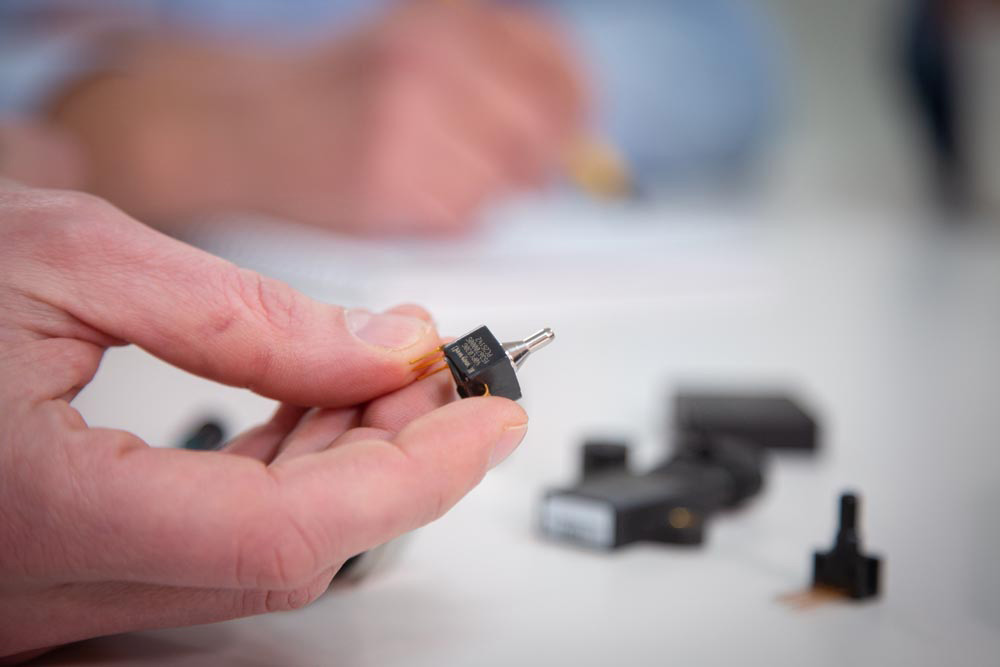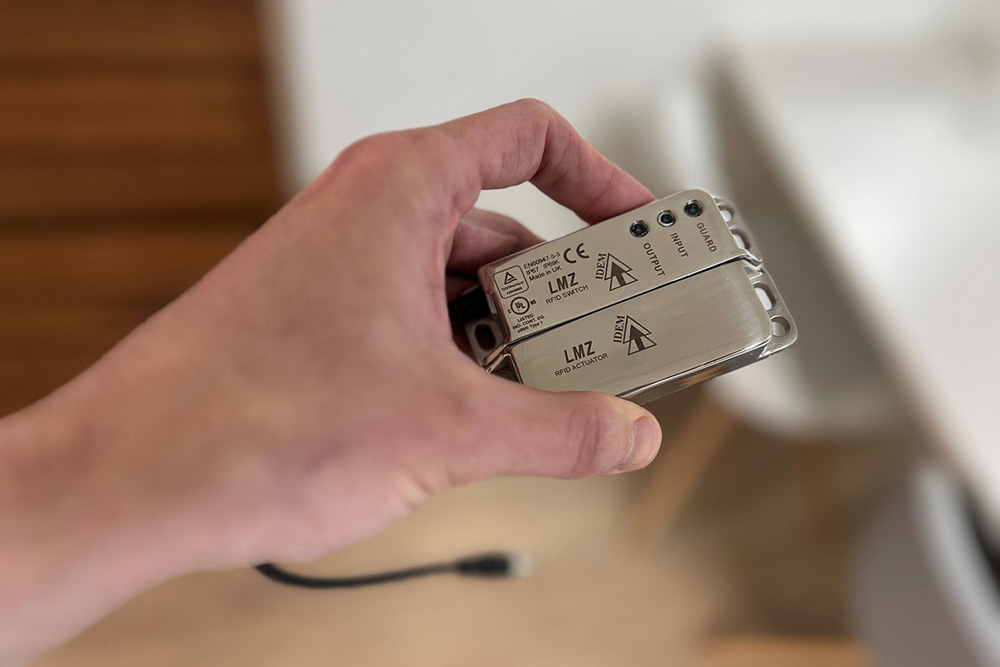
Choosing the right safety switch for your machine is an important decision that directly affects the performance, efficiency and durability of your machines. Stainless steel and plastic are the two main options, but why choose stainless steel? In this blog, we highlight the seven essential advantages of stainless steel safety switches as opposed to plastic switches.
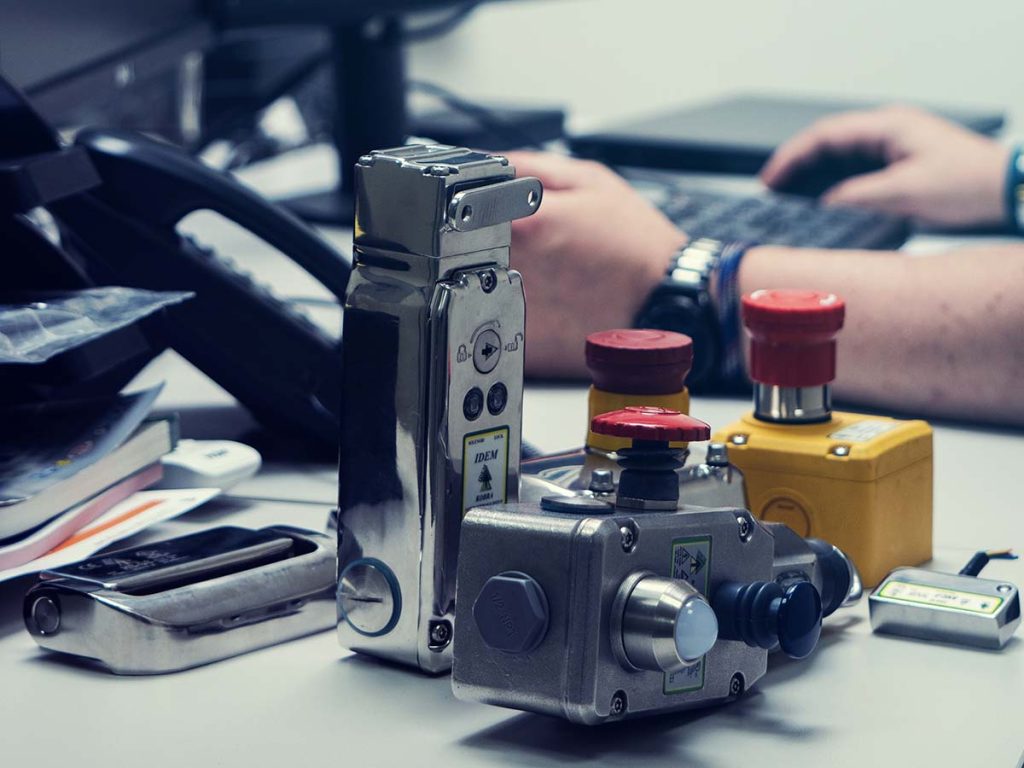
The importance of selecting the right safety switch
When choosing safety switches, it’s not just about what looks best on paper, but what works best in your particular issue. The housing the switch is made of determines the life and reliability of a machine, even under harsh conditions. Making the right decision can prevent problems that later cost a lot of time and money to fix.
1. Stronger than plastic
2. Suitable for large temperature changes
Stainless steel safety switches operate reliably at extreme temperatures between -25° and +105°C. They are well suited for environments with large temperature differences, such as cold stores or near machines that produce a lot of heat. Plastic switches, on the other hand, are less reliable at high temperatures, which limits their application in certain industrial environments.
3. Beter geschikt voor hogedrukreiniging en betere hygiëne kwaliteiten
4. Less susceptible to corrosion and weather conditions
5. Direct contact in the food industry
6. Cost-saving in the long run
7. Premium quality and appearance
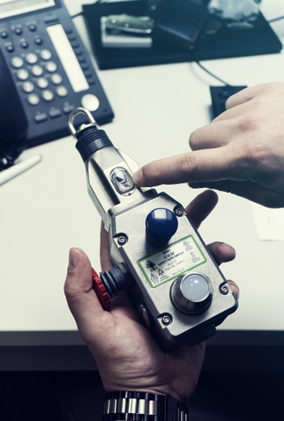
When plastic safety switches are a good option
Which safety switch best suits your issue?
Choosing between stainless steel and plastic safety switches depends on the application and design. Stainless steel switches are reliable, hygiene-friendly and durable, especially in environments with high hygiene requirements. They are a good long-term investment because they can withstand harsh conditions. Plastic switches are a better choice for less demanding applications that require cost and easy replacement.
Ultimately, it comes down to finding the right balance of performance, cost and sustainability for your particular issue. Need help making the right choice? Contact us for no-obligation advice. We are happy to help you find the best safety switch for your issue.
Don't wait until it's too late
Discover essential insights and practical tips to avoid the five most common mistakes when choosing safety switches. Avoid costly decisions with our free whitepaper!